

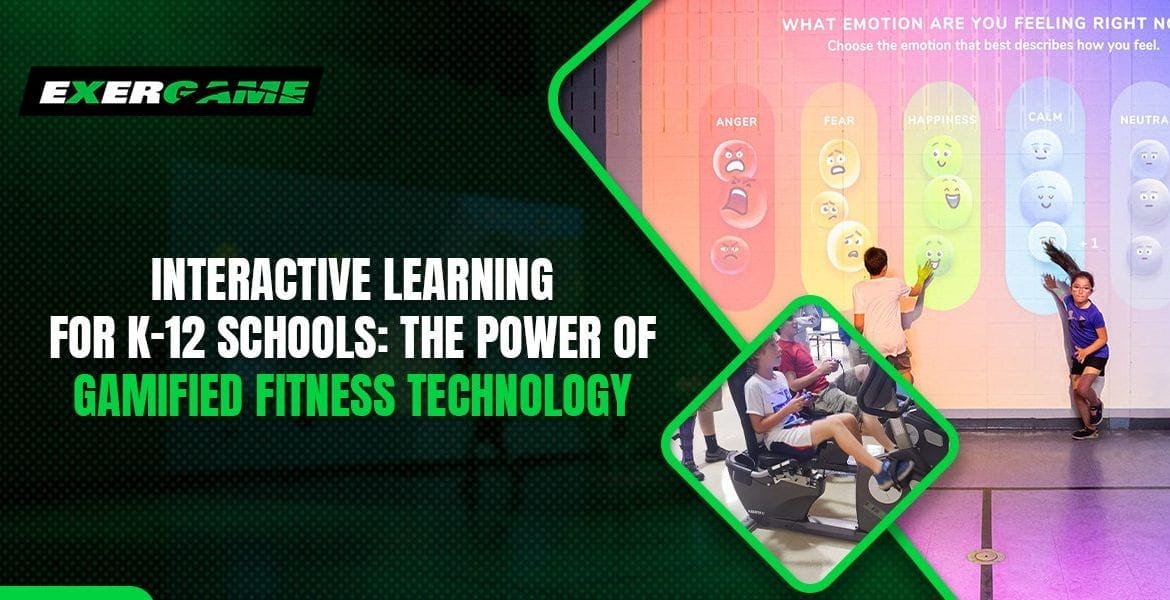
K-12 schools no longer limit interactive learning to textbooks and smart boards. With the rise of gamified fitness technology for schools, platforms like Exergame Fitness are changing how students move, learn, and engage inside classrooms and activity zones.
Exergame Fitness combines physical activity with gaming, turning exercise into a fun, competitive, and measurable experience. This shift is helping schools create active learning environments where students stay motivated and focused.
What is Interactive Learning Through Exergaming?
Interactive learning in modern schools means students actively participate instead of passively listening. Exergaming fits perfectly into this model by blending movement with digital gameplay.
Exergame Fitness defines “exergaming” as a mix of exercise and gaming where students must physically move to play. This creates a learning environment where the body and brain work together.
Unlike traditional physical education, this method introduces the following:
- Motion-based challenges
- Real-time feedback
- Competitive scoring systems
Students are not only playing over here, but they are also learning coordination, decision-making, and teamwork at the same time.
Why K-12 Schools Are Adopting Gamified Fitness Technology
Schools are facing a real challenge. Many students are less physically active, and engagement levels in traditional PE classes are declining.
Research-backed insights from Exergame Fitness show that exercise improves mood, behavior, and academic performance. When combined with gaming, participation increases significantly, even among less active students.
Gamified fitness technology for schools solves multiple problems at once. It makes physical activity enjoyable, reduces boredom, and creates regularity in student participation.
Teachers and administrators have observed that students compete, collaborate, and stay engaged longer when fitness is turned into a game.
Core Technologies Powering Interactive Classrooms
Exergame Fitness provides a wide range of interactive classroom activities and equipment equipped specifically for schools. These technologies are not random gadgets, they are structured systems designed for both fitness and cognitive growth.
1. Active Wall Game

Interactive fitness walls like T-Wall and PlayWall use LED lights and motion sensors to create fast-paced reaction games.
These systems train:
- Hand-eye coordination
- Reaction speed
- Focus and agility
The PlayWall, for example, responds to touch with light patterns and game modes, encouraging movement and mental engagement simultaneously.
2. Active Floor and Projection Games

Projection-based systems turn floors into interactive learning spaces.
Students jump, run, and solve challenges projected on the ground. These systems can host 30+ games with expandable libraries, making them perfect for daily classroom use.
3. Gaming Bikes and Cardio Systems
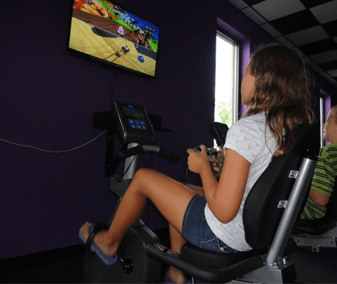
Gaming bikes and cardio solutions convert traditional workouts into immersive experiences.
Students can race, compete, and track performance, making cardio sessions more engaging than standard routines. These systems also provide measurable fitness data for schools.
Benefits Beyond Physical Education
Interactive learning for K-12 schools is not about fitness. It supports full student development. Exergame Fitness highlights multiple benefits that directly connect to both education and health:
- Improved memory and cognitive growth
- Better classroom behavior
- Increased teamwork and social interaction
- Goal-setting and performance tracking
- Development of coordination and strength
One of the strengths is dual-task training, where students use both physical and cognitive skills at the same time. This improves attention span and academic readiness.
How Schools Are Using Interactive Fitness in Real Life
Schools around the world are creating dedicated exergaming zones. These spaces combine multiple systems like wall games, floor games, and cycling stations.
For students aged 7-14, Exergame’s Youth X solutions provide structured environments where they can stay active without feeling like they are in a traditional gym.
Teachers use these setups for:
- Physical education classes
- After-school programs
- Reward-based learning activities
- Group competitions and events
This approach helps in keeping students engaged while supporting curriculum goals.
The Role of Active Learning Strategies for Students
Active learning strategies for students are evolving, and exergaming is leading that shift. Instead of passive instruction, students interact, react, and adapt. Every movement becomes part of the learning process.
Gamified environments naturally improve participation because students feel like they are playing, not exercising. This psychological shift increases consistency and long-term interest in physical activity.
Tips for Schools Planning to Adopt Exergame Technology
Not every school needs a large budget or space to start. Exergame Fitness systems are innovated to be flexible and scalable. Here are a few practical tips:
- Start with one interactive fitness wall or floor system
- Create a dedicated activity zone for students
- Combine physical education technology with classroom rewards
- Track student engagement and progress using built-in systems
Even small implementations can create noticeable improvements in student energy and participation.
Conclusion
Interactive learning for K-12 schools is moving toward experiences that combine movement, technology, and engagement. Exergame Fitness stands at the center of this transformation by providing gamified fitness technology for schools that delivers both fun and measurable results.
From interactive classroom activities to advanced physical education technology, these systems are shaping a new generation of active learners.
Schools that adopt this approach are not just improving fitness levels. They are building confident, focused, and motivated students ready for modern learning environments.
Frequently Asked Questions on Interactive Learning for K-12 Schools:
Q1: What is exergame technology in schools?
A1: Exergame technology combines exercise with gaming, where students use physical movement to control gameplay, making fitness interactive and engaging.
Q2: How does gamified fitness improve student engagement?
A2: It turns exercise into a fun activity with rewards, competition, and real-time feedback, which motivates students to participate actively.
Q3: Can exergaming support academic performance?
A3: Yes, it improves focus, memory, and behavior, which directly supports better learning outcomes in classrooms.