

The fitness industry has traditionally focused on visible measures of health: strength, endurance, flexibility, weight, and cardiovascular fitness. But as the population continues to age, the definition of fitness is beginning to expand.
The future of healthy aging will not be limited to keeping the body strong. It will also include maintaining memory, attention, coordination, balance, reaction time, and the ability to confidently perform everyday activities.
That is why organizations such as Activate Brain & Body Fitness may represent an important new direction for the fitness and wellness industry.
An Aging Population Is Creating New Needs
In a recent video, Adam Ortman, Chief Exercise Science Officer at Activate Brain & Body Fitness, discusses one of the most significant demographic trends shaping the future of health and wellness.
Approximately 10,000 Americans reach age 65 every day. By 2030, every member of the baby boomer generation will be at least 65 years old. The number of older adults in the United States is growing rapidly, creating greater demand for services that support independence, mobility, cognitive health, and overall quality of life.
As this population grows, we will likely see more facilities described as brain health centers, cognitive wellness centers, active-aging studios, and brain fitness programs.
However, simply adding “brain” to the name of a fitness program will not be enough.
The organizations that stand out will be those that combine meaningful physical activity, cognitive challenges, measurable assessments, qualified coaching, and legitimate scientific research.
That is where Activate Brain & Body Fitness is positioning itself differently.
Moving Beyond the Traditional Fitness Center
Activate is designed for adults who want to stay physically capable, mentally sharp, and independent as they age.
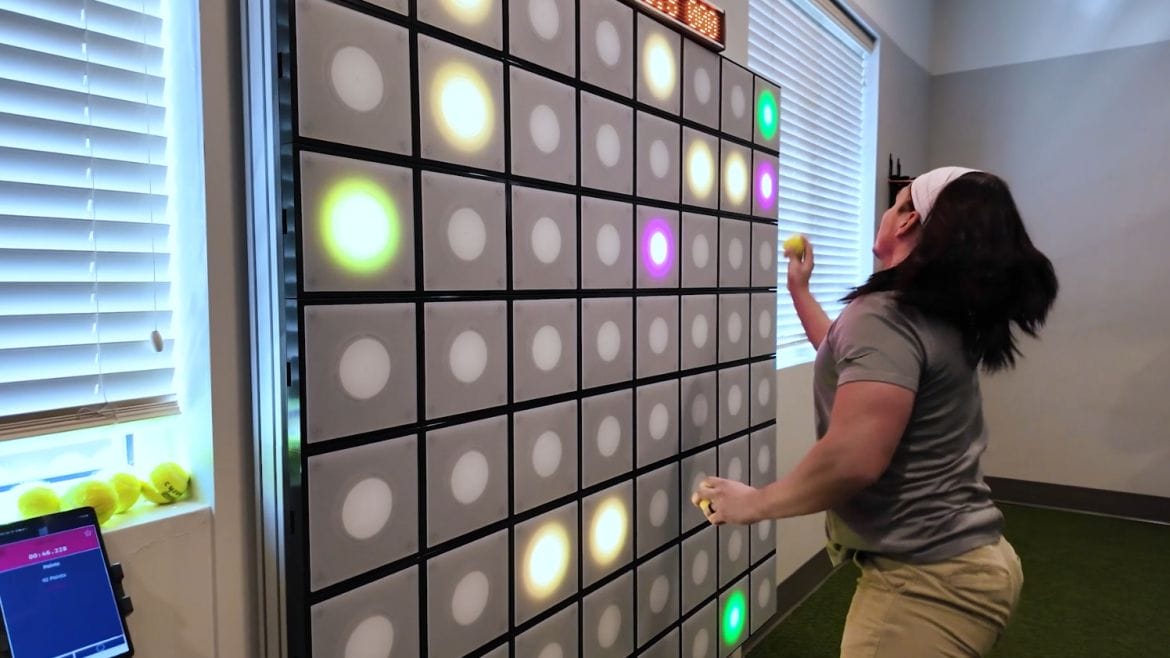
Instead of separating physical fitness from cognitive health, Activate brings the two together. Its programming combines strength, balance, cardiovascular exercise, cognitive challenges, lifestyle coaching, socialization, and dual-task training.
Members complete physical and cognitive assessments, receive personalized programming, and are reassessed regularly to measure how they are progressing. Activate currently operates brain-body fitness studios serving adults 50 and older in the Cincinnati and Indianapolis areas.
This represents a major shift from the traditional gym model.
A conventional workout might ask someone to walk, reach, step, balance, or lift. A dual-task workout adds a second layer by asking that person to simultaneously process information, remember instructions, identify patterns, make decisions, or react to changing cues.
The goal is not simply to make an exercise more difficult. It is to train the brain and body to work together more effectively.
Why Dual-Task Training Matters
Dual-tasking is part of everyday life.
We walk while having conversations. We carry groceries while navigating steps. We move through crowded environments while processing visual and auditory information. We change direction while making decisions. We maintain our balance while responding to distractions.
These activities require the brain and body to communicate continuously.
Dual-task training recreates that demand in a controlled fitness environment. A participant might complete a balance or movement exercise while responding to colors, numbers, words, patterns, or interactive targets.
Research continues to examine how this type of training may support cognitive and physical function in older adults. Systematic reviews have reported promising findings involving cognition, balance, and physical performance, although outcomes can vary depending on the participant and training method.
At Activate, these concepts become part of structured, personalized workouts rather than occasional brain games or isolated activities.
What Makes Activate Different: Conducting Its Own Research
Perhaps the most important distinction is that Activate is not simply following brain-health trends. The organization is actively studying its own approach.
Through the Activate Brain Health Foundation and partnerships with universities, Activate is contributing to research examining how combined cognitive and physical training affects older adults.
A published pilot study involving community-dwelling older adults found that participants completing dual-task training demonstrated improvements in areas such as dynamic stability, coordination, and balance compared with a non-exercising control group. Activate is also supporting additional research into cognitive performance, emotional well-being, sleep, and how efficiently the brain responds during exercise.
The organization gathers cognitive assessment data from its clients at regular intervals and uses those results to evaluate individual progress and broader program trends. Activate has reported positive trends across several memory measures among clients participating in its comprehensive program, while also acknowledging that this data will continue to develop as more results are collected.
This commitment to measurement matters.
Brain health is too important for programs to rely entirely on marketing language, assumptions, or anecdotal results. Facilities working in this area must be willing to test their methods, examine the data, refine their programming, and be transparent about what they are learning.
Technology Will Play a Larger Role in Active Aging
Another trend we expect to see is the increased use of interactive fitness technology with older adults.
Interactive equipment can challenge reaction time, coordination, balance, memory, visual processing, and decision-making while still providing meaningful physical activity. It also makes repetitive exercises feel more engaging by giving participants a clear goal, immediate feedback, and visible progress.
For many older adults, this turns exercise from something they feel obligated to do into an experience they look forward to completing.
Technology also allows coaches to adjust activities for different abilities. Exercises can be performed standing or seated, movements can be simplified, cognitive demands can be changed, and the pace can be adapted to the individual.
The technology itself, however, is only one part of the solution. Its real value comes from how it is incorporated into a properly designed program supported by assessments, coaching, progression, and research.
A More Complete Definition of Healthy Aging
The future of fitness will not simply be about helping people live longer. It will be about helping them live longer with greater confidence, independence, purpose, and quality of life.
That requires a more complete approach to wellness—one that recognizes that movement, cognition, balance, social connection, nutrition, sleep, and emotional well-being are closely connected.
As thousands of Americans enter their retirement years each day, demand for brain-focused fitness and wellness services will continue to grow. We are likely to see more brain health centers and cognitive fitness programs introduced across health clubs, senior living communities, medical fitness facilities, community centers, and active-aging organizations.
Activate Brain & Body Fitness offers an early look at what this future may resemble: personalized exercise, cognitive challenges, interactive technology, ongoing assessments, and original research brought together within one comprehensive model.
In the accompanying video, Adam Ortman explains why this movement is just beginning—and why the next generation of fitness centers may be designed to train much more than the body.